
Six years working at REI’s camp department means I’ve helped hundreds of people pick their first tent and backpack and I’ve answered thousands of questions about backpacking gear.
I'm not an ultralight backpacker, and this guide won't pretend to be one. It's built for people who are just getting started, so it leans toward practicality over shaving ounces — and almost everything in here is something I actually carry, from summers in the Cascades to trips out to the desert. When it's not something I've personally tested, I'll tell you that too.
Whether you're planning your first overnight or fine-tuning what you've had for years, I hope this gives you a real starting point.
Backpacking Gear Guide
A quick note: some of the links in this guide are affiliate links, which means I may earn a small commission if you make a purchase — at no extra cost to you. I only recommend gear I've personally used and trust (and I'll tell you when I haven't). This commission helps keep this site running and funds more trips like the ones you're reading about here. Thank you for supporting Cynthia & Tex!
Tent
I’ve owned a number of backpacking tents in the past. My favorite ones were actually part of the Quarter Dome SL lineup from REI, but they have unfortunately been discontinued.
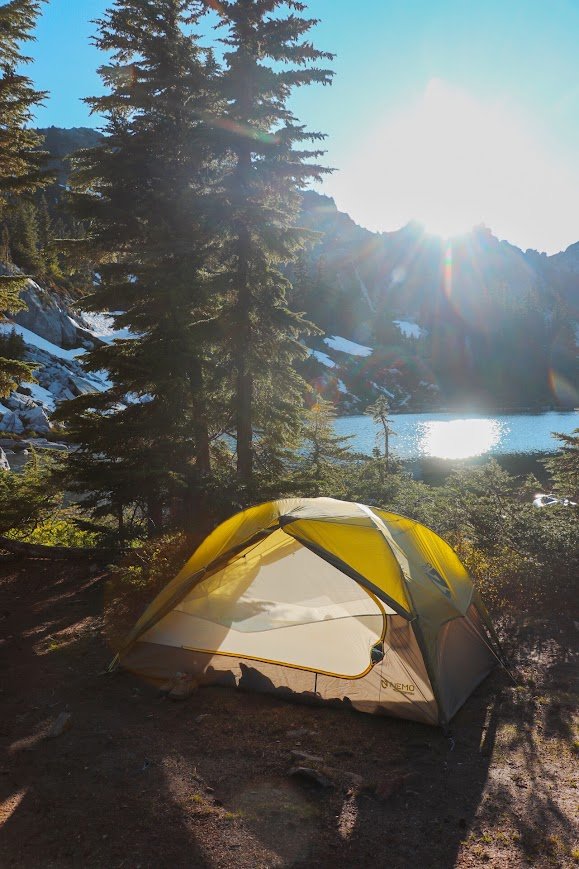
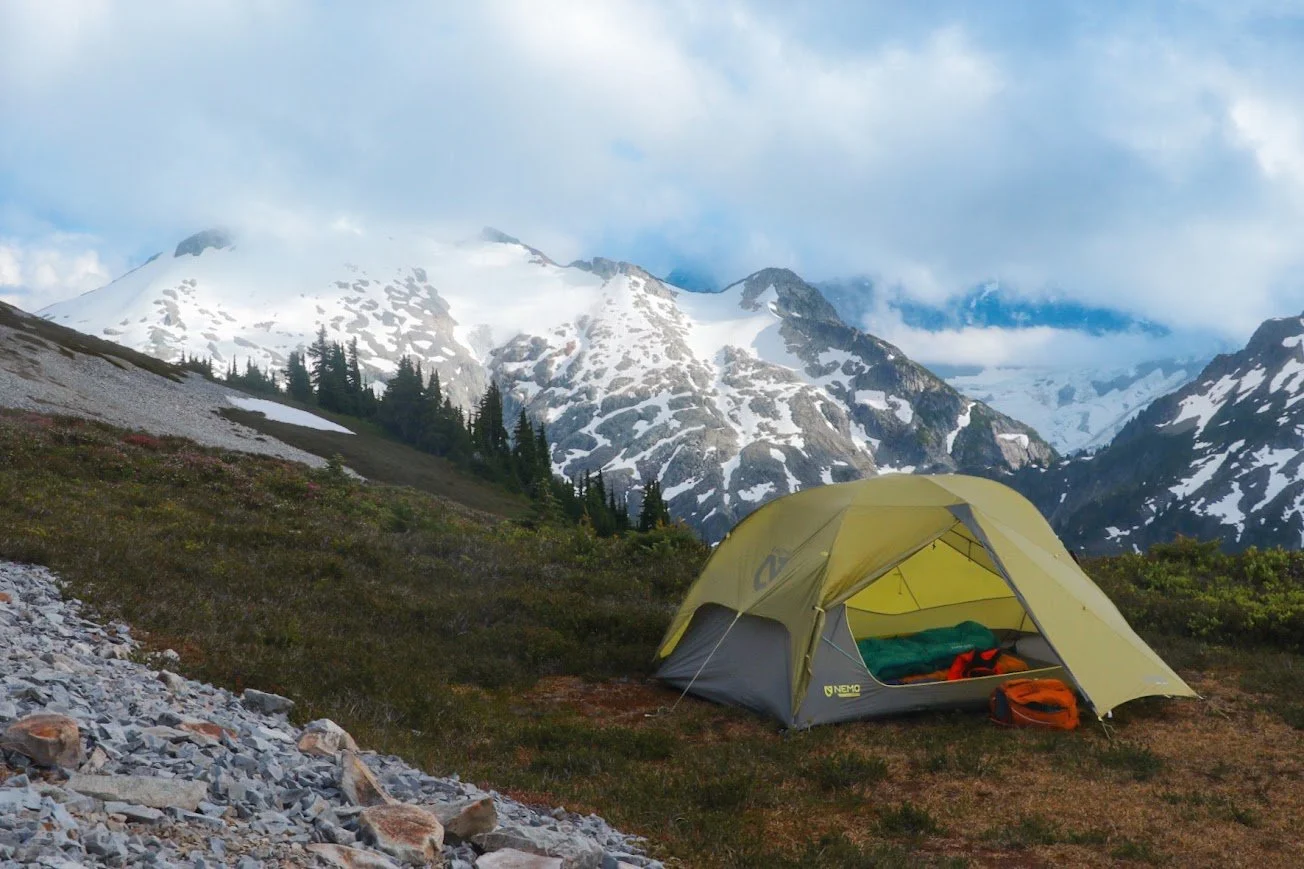
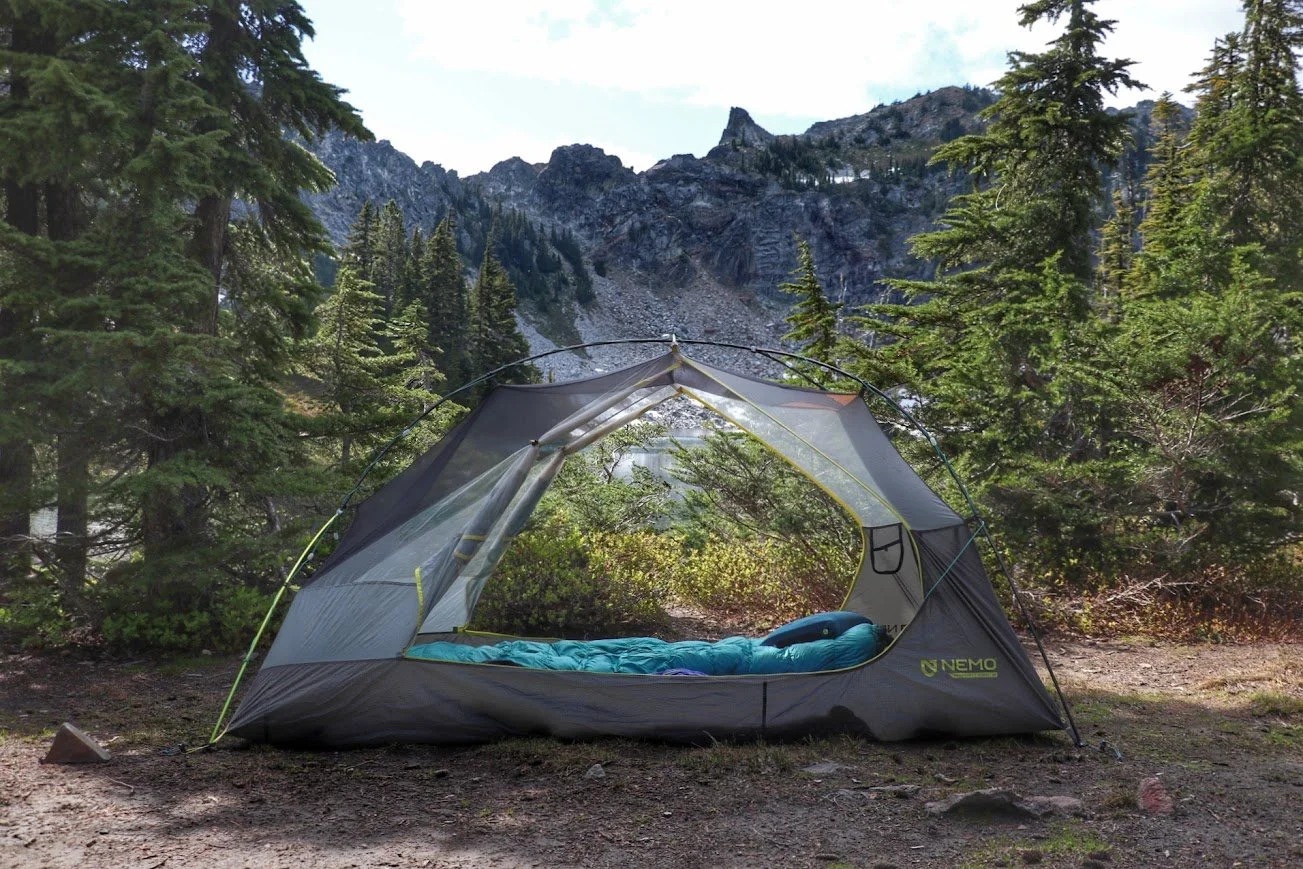
I currently use is the NEMO Dragonfly OSMO 2P Tent. I found it at the Re/Supply store down in Oregon and was happy to take it home for 50% off the full price and it was practically brand new. The comment on the damage was "the rainfly wasn’t waterproof”. I’ve taken it out to plenty trips that rained, and it worked just fine with the OSMO fabric.
What I'm Using:
NEMO Dragonfly OSMO 2P
Replaced my beloved Quarter Dome SL 2 after Tex escaped it Kool-Aid Man style on a trip. Now my go-to backpacking tent — roomy enough for two, light enough that I don't think twice about the extra weight.
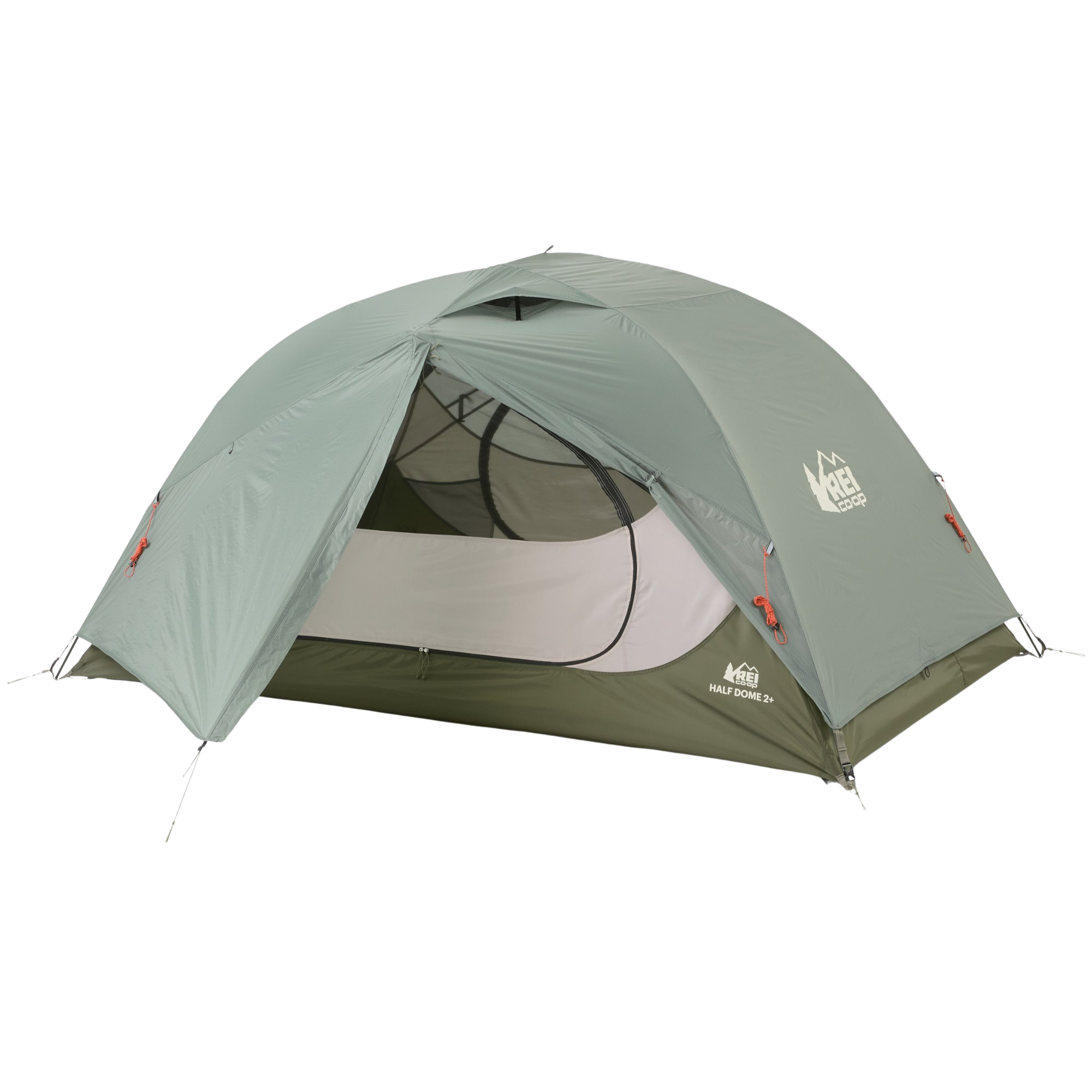
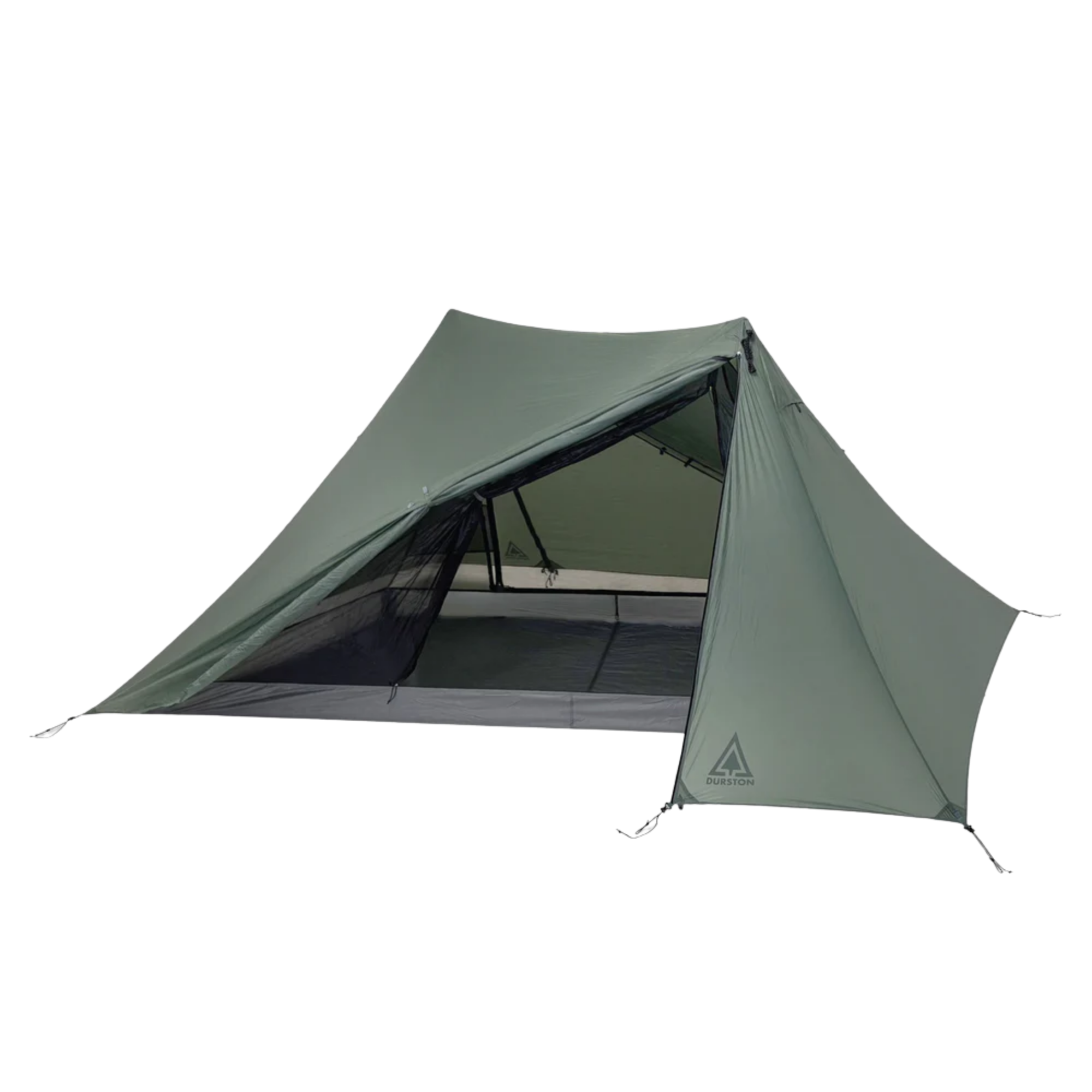
Shop at REI →Other options:

Sleeping Bag
I think sleeping bags are generally based on general preference. But if there’s something I learned, I never trust the temperature rating on the bags! Not only because they are inaccurate but when they do the tests, there are a lot of controlled variables that companies don’t exactly advertise unless you dive deep into it. I personally only use one bag for all seasons now - from hot summer days to cold nights in the mountains.
Read more about temperature rating and how they test in this article.
Down vs. Synthetic: this is always the big question. We do get a decent amount of rain and moisture in the Pacific Northwest but I’ve never experienced any issues with a down bag. Down compresses better and weighs a lot less. I think it’s worth the investment. I would save the synthetic bag for when weight doesn’t matter as much. Down is generally more expensive so keep that in mind!
Sleeping Bag vs. Quilt: I’ve been eyeing a quilt for a while but haven’t made the investment yet. I have been finding ways to shred some weight and bulk off my bag. However, I know quilts aren’t for everyone especially if you’re unfamiliar with the setup. But I think the design has come a long way to keep you nice and toasty even on a cooler night in the mountains. They will be the lightest in the category of sleeping bags.
What I'm Using:
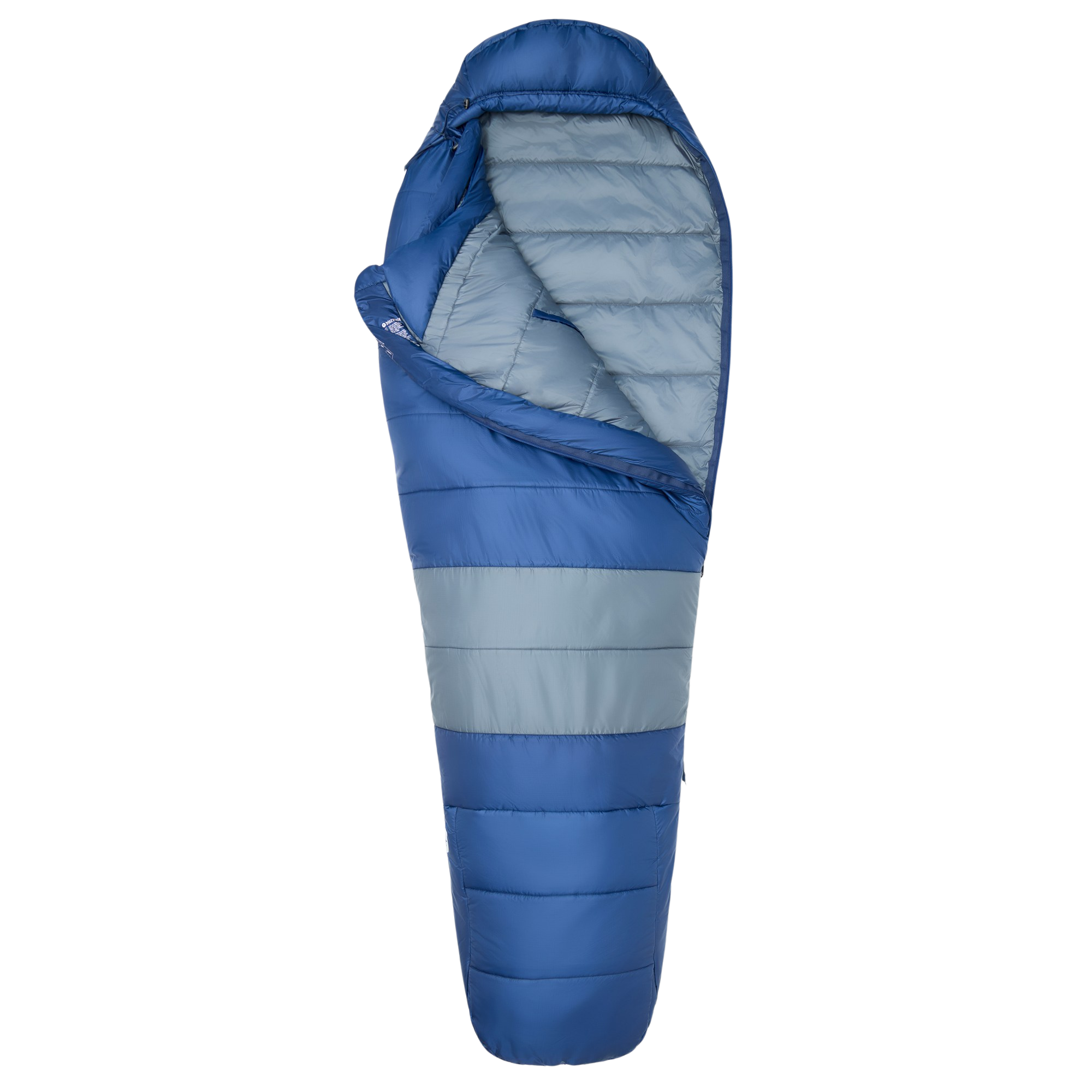
Mountain Hardwear Bishop Pass 15
The Bishop Pass is a 650-fill down bag. It's not the lightest on the market but still only weighs a little over 2 lbs. It compresses well enough that I just stuff it at the bottom of my pack and let gravity work its magic.
Shop at REI →Other options:
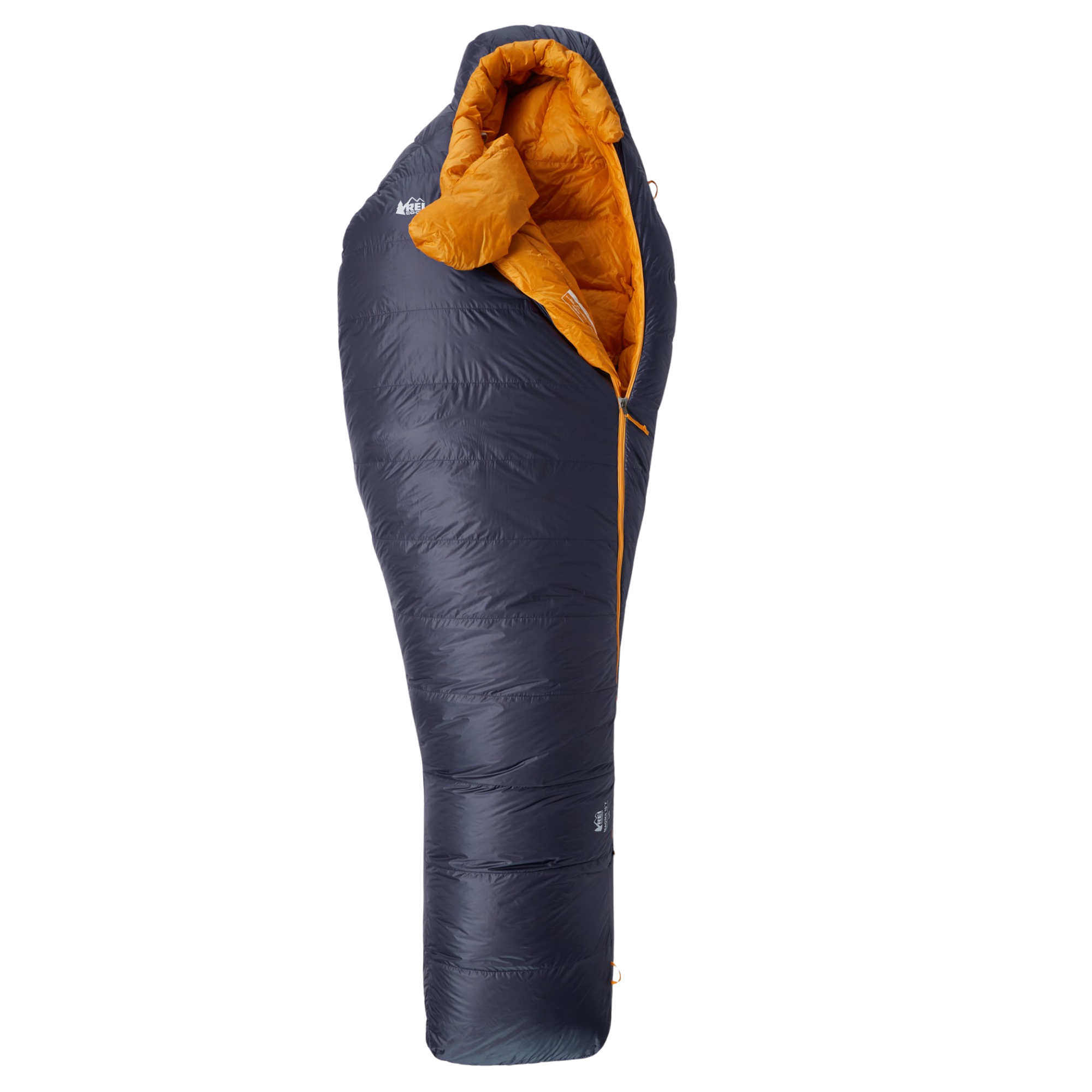
REI Magma 15 Sleeping Bag
Weight: 2 lbs. 3.6 oz.
Fill: 2 lbs. 10 oz.
Shop at REI →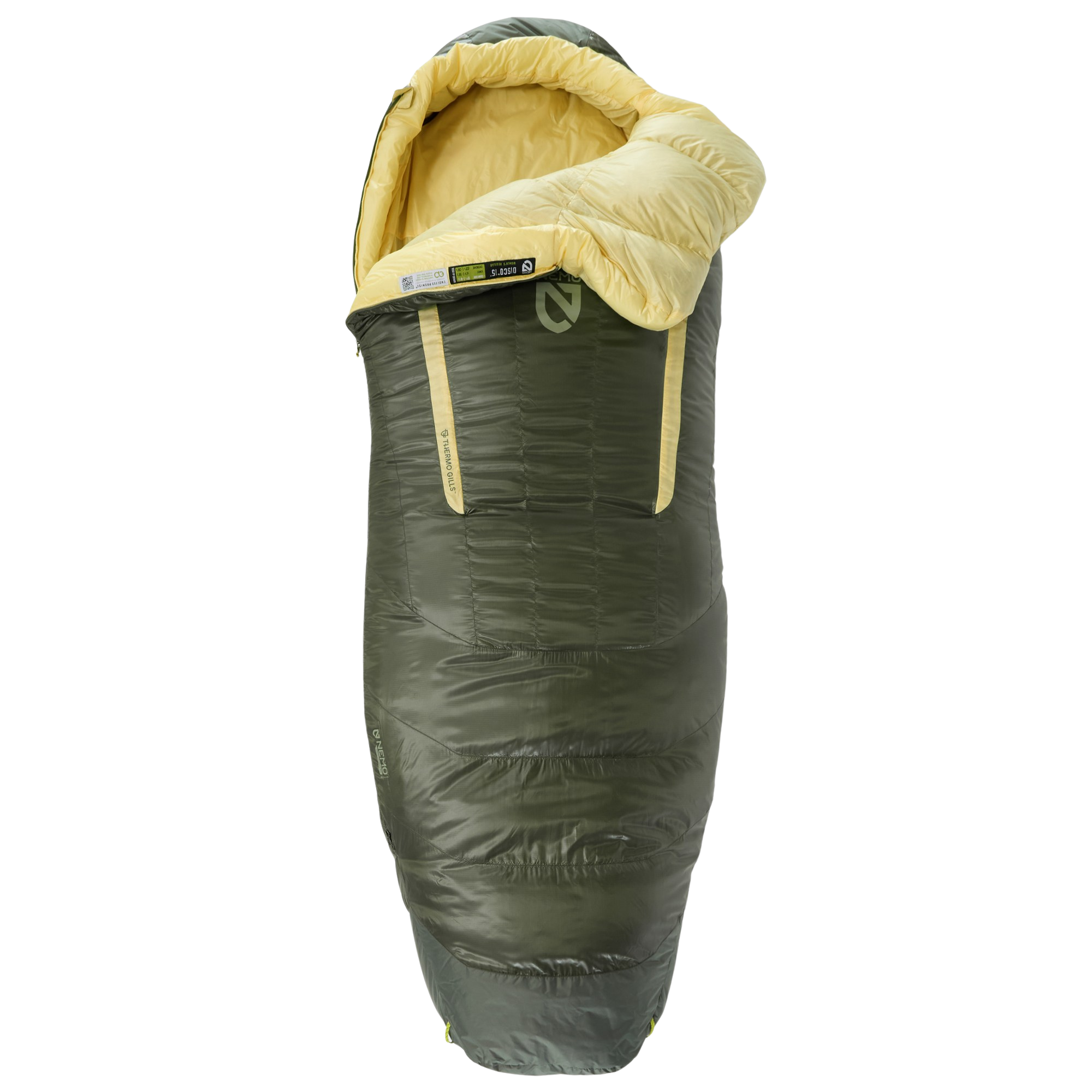
NEMO Disco 15 Sleeping Bag
Weight: 3 lbs. 5 oz.
Fill: 2 lbs. 10 oz.
Shop at REI →Sleeping Pad
The sleeping pad is essentially your mattress when you’re out in the backcountry. I’ve attempted to only sleep on a foam pad (because I was traveling and needed to pack light) and never again, my back was aching the next morning.
I think investing in a pad with good support and considerable R-value is going to provide you a good night sleep, no matter what the elements bring on at you.
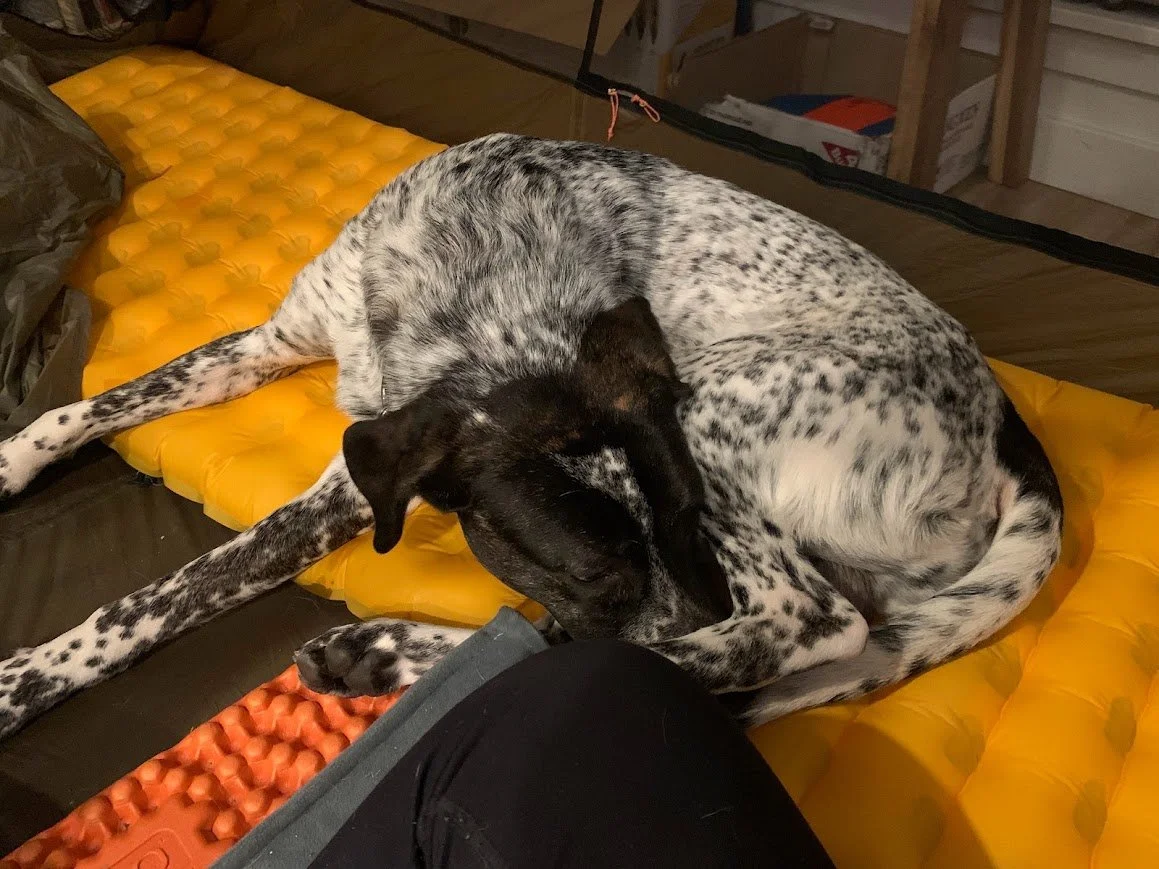
Self-Inflating vs. Air Pad: the former is going to pack up a lot bigger and take up more space in your pack while the latter is lighter and packs down small. Durability can be a concern for some. I use an air pad and never had a real problem with Tex climbing all over it although a couple of accidents have happened, and it popped.
R-Value: this value is really important depending on what kind of climate you’re dealing with. The higher the R-value, the warmer the pad is going to keep you (other things considered in your sleep system and what you’re wearing to going to bed). Read more about R-value ratings.
Fun fact: you can ‘stack’ R-value, meaning if you add a foam pad with a rating of 2.5 and use it with a pad with an R-value of 5, it should keep you plenty warm!
What I'm Using:
NEMO Tensor Insulated Sleeping Pad
I have the older version of the Tensor line-up. They call it the Tensor All-Season now and has an R-Value of 5.4. I like the Regular Wide because it gives me plenty of space of sleeping my side. Here's Tex testing it out before we head out on a real adventure.
Shop at REI →Other options:


Big Agnes Rapide SL Insulated Sleeping Pad
Weight: 1 lb. 2 oz.
R-Value: 4.8
Shop at REI →
Therm-a-Rest NeoAir XTherm NXT Sleeping Pad
Weight: 15.5 oz.
R-Value: 7.3
Shop at REI →Backpack
You can’t go anywhere without having the backpack to carry your gear. I think backpacks can be very subjective and I highly recommend going into the store to try these on because each brand designs their packs different. I personally tried on 3 packs before settling on the current one I own, which is the Osprey Aura AG 50, the AG just stands for anti gravity, which is something Osprey invented and is part of the appeal to some folks.
A lot of modern backpacks with frames are fitted based on your torso length and they come in various sizes. Some packs have more bells and whistles than others. Going to the store and trying these out will help you make a more informed decision.
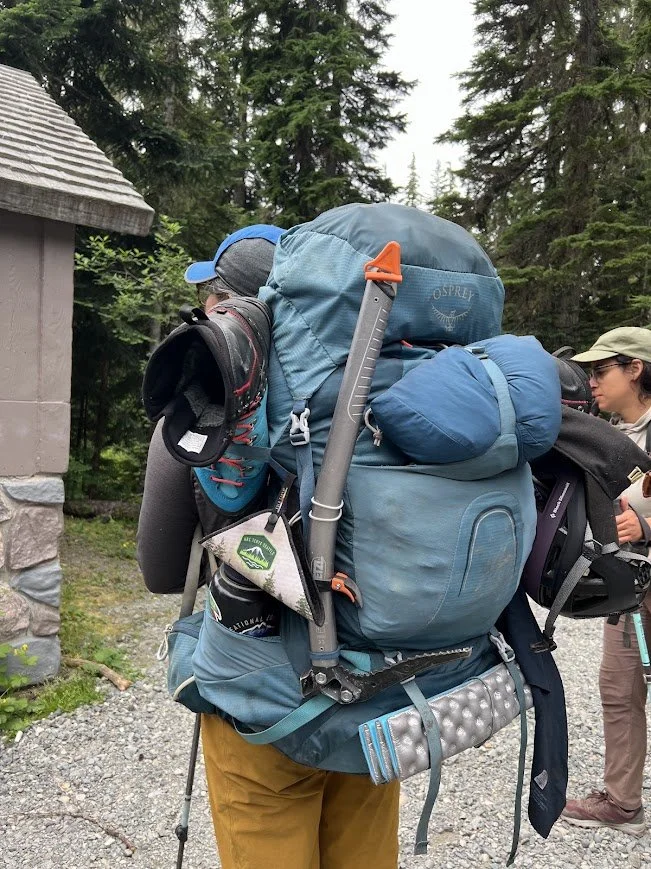
Frames vs. Frameless: a lot of ultralight packs don’t really have a rigid frame. Some of them do come with removable frame-stays (like the Hyperlite Southwest 55) and for some, you can use your foam pad as a frame. For packs with frames, they will weigh a lot more. Depends on how heavy your gear is, having a pack with a frame and a more robust hip belt is going to help distribute the weight better.
Weight Distribution: the general rule of thumb is to have at least 60% but ideally 70-80% of the weight on your hips. Pack lighter items on the bottom and heavier items closer to your spine.
Waterproofing: most packs aren’t waterproof, they’re water-resistant but not waterproof. You can either opt for a rain cover or a liner. Most ultralight backpackers line their packs with a trash bags, and it works!
What I'm Using:
Osprey Aura AG 50
I know what you're thinking, my pack looks absolutely massive and insane. I am definitely not an ultralight backpacker, but this photo is also from my summit to Mount Baker so I was carrying a lot more than I normally would. But this is proof that this pack is a workhorse!
Shop at REI →Other options:
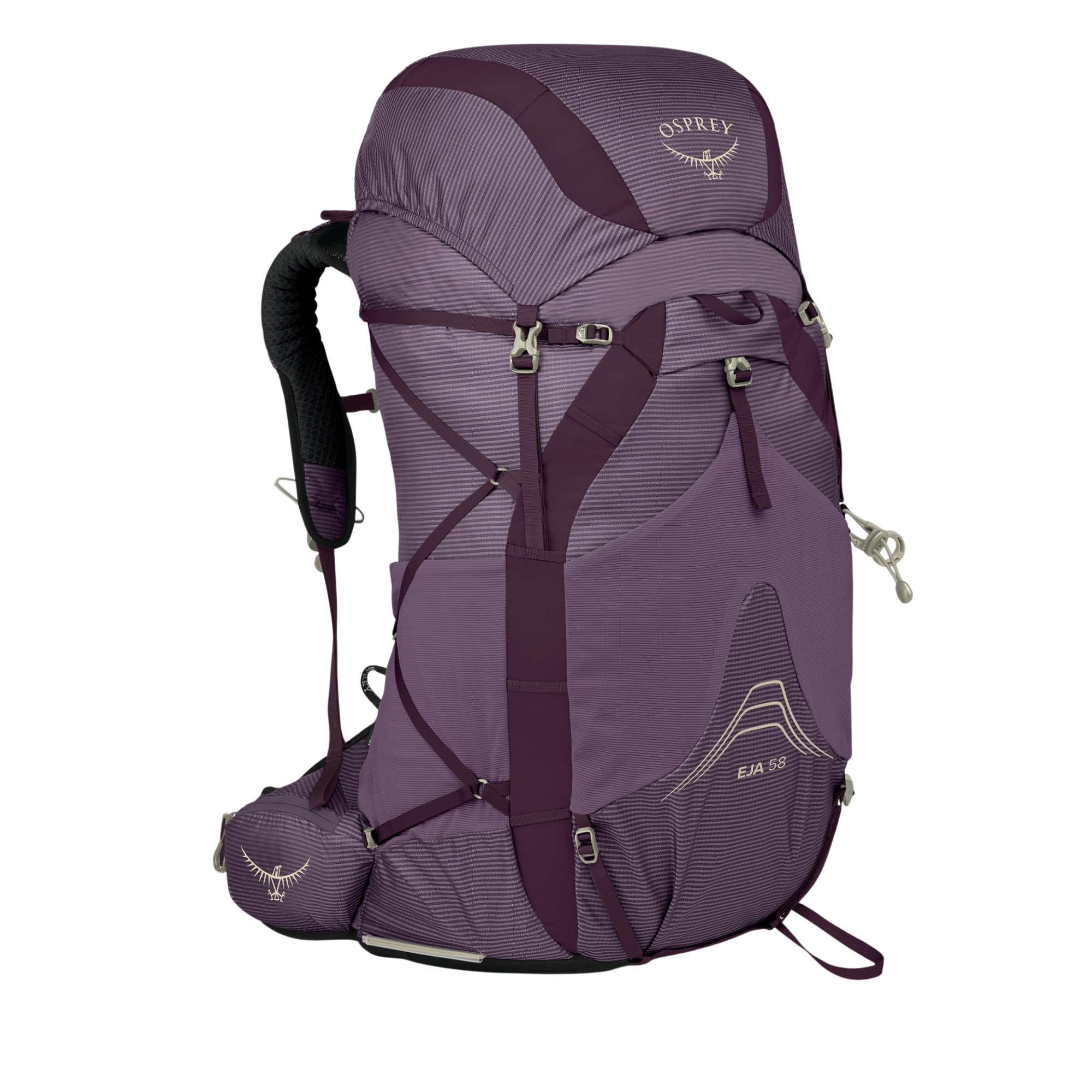
Osprey Eja 58
Weight: 2 lb 8 oz–2 lb 13 oz (size dependent)
Frame: Internal aluminum
Men's version: Exos 58 (~2 lb 10 oz–2 lb 15 oz)
Shop at REI →
REI Co-op Flash 55
Weight: 2 lb 10 oz–2 lb 13 oz (size dependent)
Frame: Removable frame sheet
Available in Men's and Women's fits
Shop at REI →
Hyperlite Mountain Gear Southwest 55
Weight: ~1 lb 13 oz (size M)
Frame: Removable aluminum stays
Shop at REI →Camp Kitchen
Hiking demands a lot from your body! One of the most exciting things about finally getting to camp and after setting up is eating, at least for me. My camp kitchen is simple. I mostly rely on dehydrated food although I am looking for other alternatives too such as ramen packets, tinned fish, and tortillas — something reliable since we’re not trying to reinvent the wheel here.
Backpacking stoves like the Jetboil Flash and MSR Windburner are popular is because they generally use less fuel than a stove like a MSR PocketRocket. The reason is the wind protection around the flame means you can boil quicker without consuming as much fuel. But if saving weight is your number one priority, then I would stick with a more basic burner.
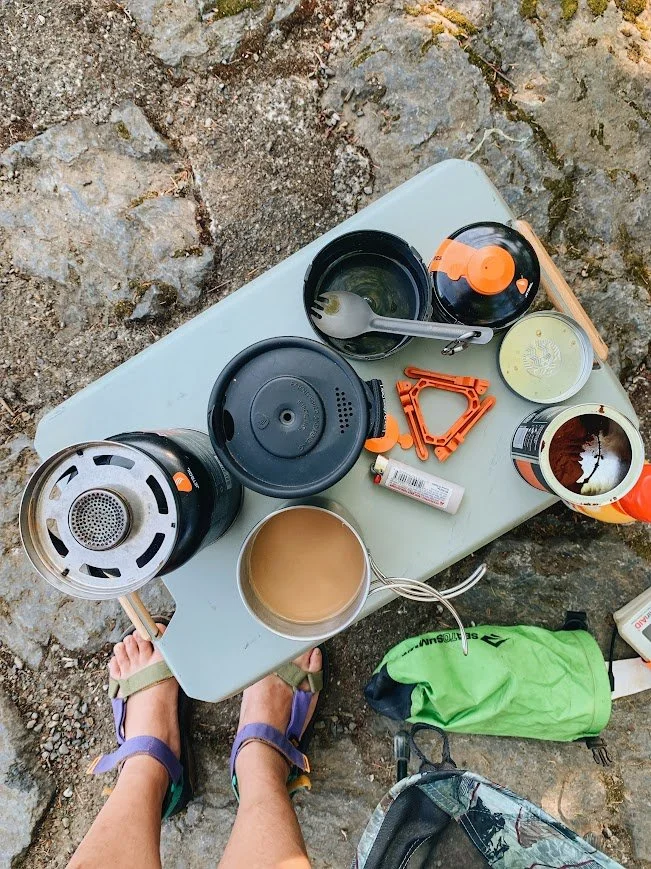
Tips for cleaning up in the backcountry: I used to get discouraged by what types of food I bring to the backcountry because of cleanup. But a couple things I’ve learned is you can always boil water in the pot, either drink the ‘soup’ or just dump the grey water away from camp. I also pack baby wipes, which are definitely not going to poison you. It wipes the pot clean surprisingly well.
Isobutane fuel canisters: I know there are many options out there but know that all brands of isobutane canisters do the same thing. So next time you head to store, don’t worry about which brand to pick!
How much fuel is left? This is always a dilemma for me. A simple trick is to float the canister in a large bowl of water, where the canister sinks is how much fuel you have left, use a sharpie to mark it. You can also use a fuel transfer device like this one that MSR makes to consolidate canisters that have some fuel left.
What I'm Using:
Jetboil Zip 0.8 L
Once upon a time, I owned the Flash, but that one is long gone. I needed something to replace the Flash so I just went for a Zip since it was cheaper. They all do the same thing - boiling water super fast. I also *highly* recommend making sure your stove is tightly twisted into the fuel cansister so no air is leaking. Trust me...
Shop at REI →Other options:
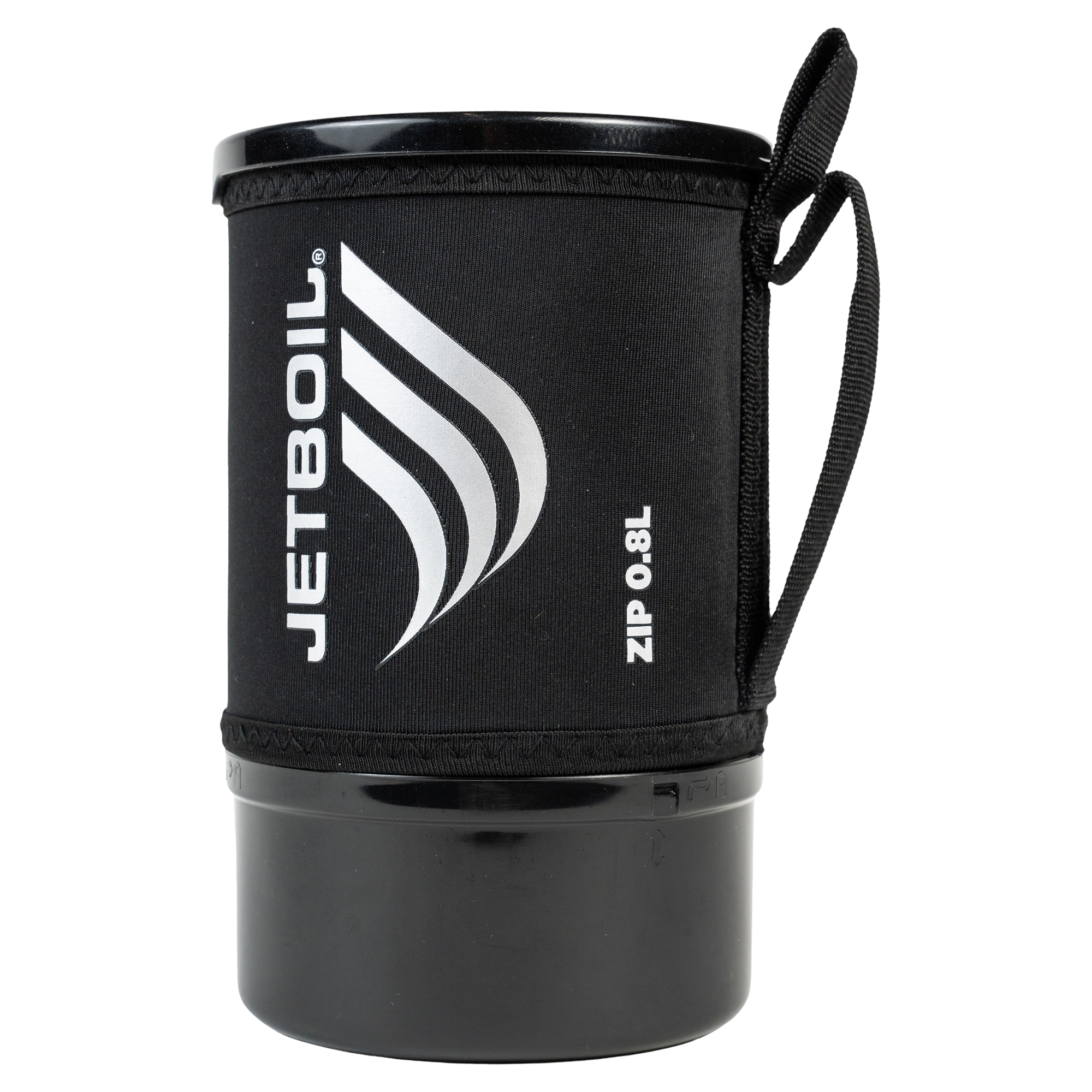
Jetboil Zip
Shop at REI →
Sea to Summit Spork
Shop at REI →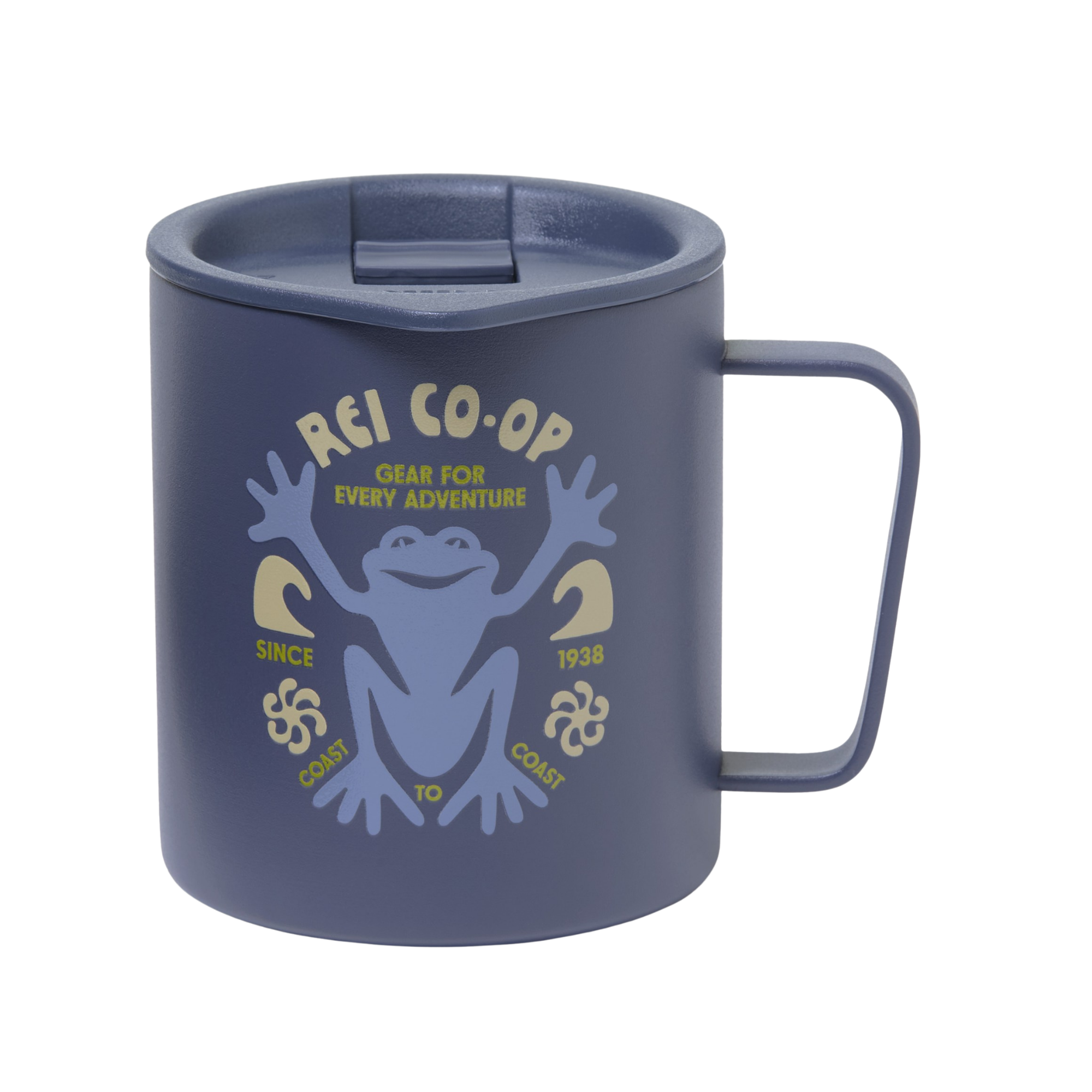
REI Co-op Camp Mug
Shop at REI →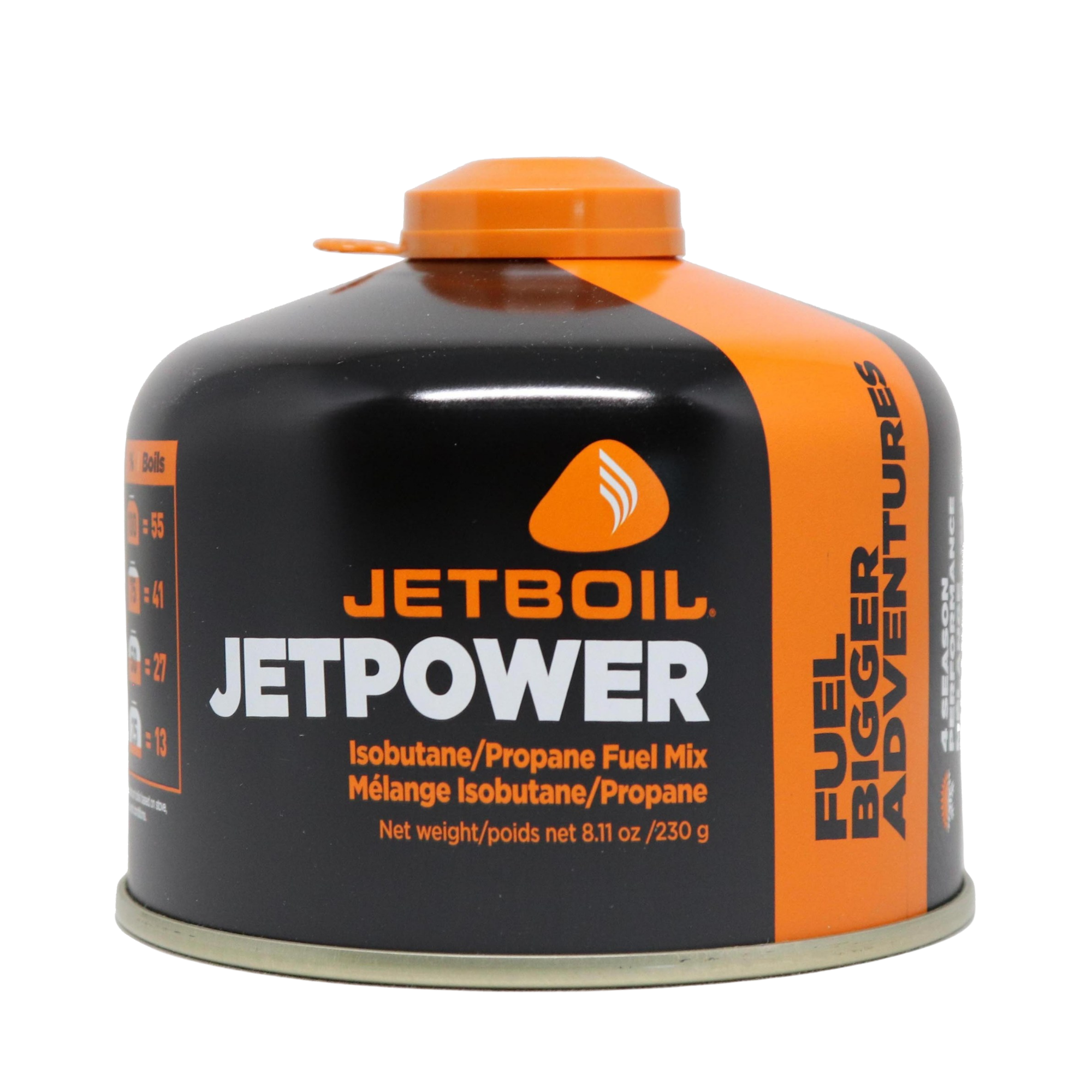
Isobutane Canister
Lighter
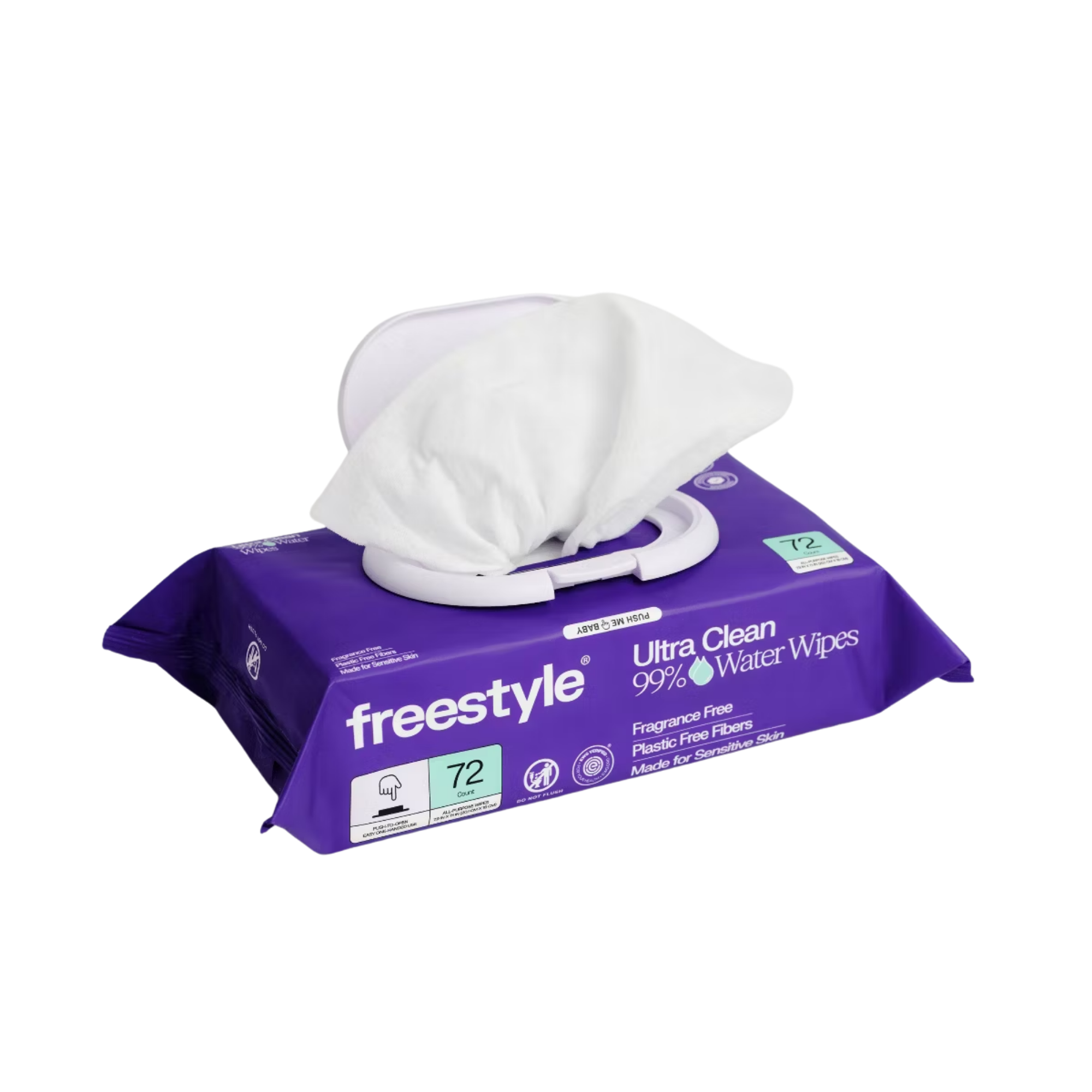
Baby Wipes
Headlamps
I highly recommend getting a headlamp. If not, it gets a bit difficult to navigate in the dark at camp, right? Eating carrots won’t suddenly give you super night vision (or maybe it will, let me know!) I have definitely been on sunset hikes where I run into a group of people and none of them have a headlamp. You don’t want to be those people!
Lumens: you might see a number in the product name (i.e. 450, 500, 550), this is referring to lumens. The higher the number, the brighter the headlamp. I generally find anything between the 300-550 plenty to be out in the backcountry. I do use a 500 lumen BioLite Range for when I’m doing a night hike (e.g. after sunrise).
Rechargeable vs. Regular Batteries: some headlamps like the Black Diamond Storm and Petzl Tikka (battery sold separately) allow you to use AAA batteries or charge the headlamp. I do like this option just in case I forget to pack batteries or a charging cord, there’s always a fallback.
Other options (including what I use):
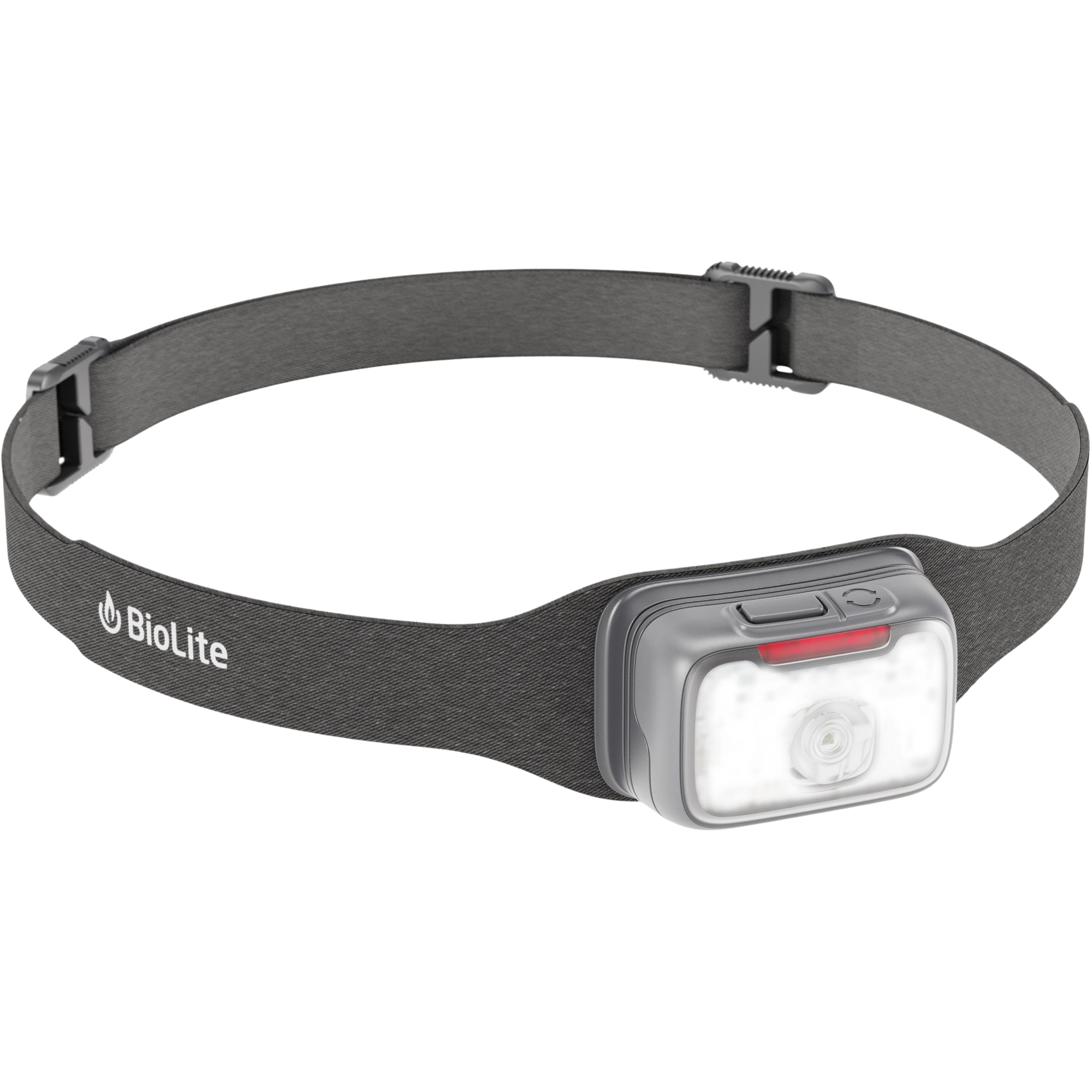
BioLite Range 500
Lumens: 500 max
Battery: Built-in Li-ion
Rechargeable: Yes (USB-C)
Shop at REI →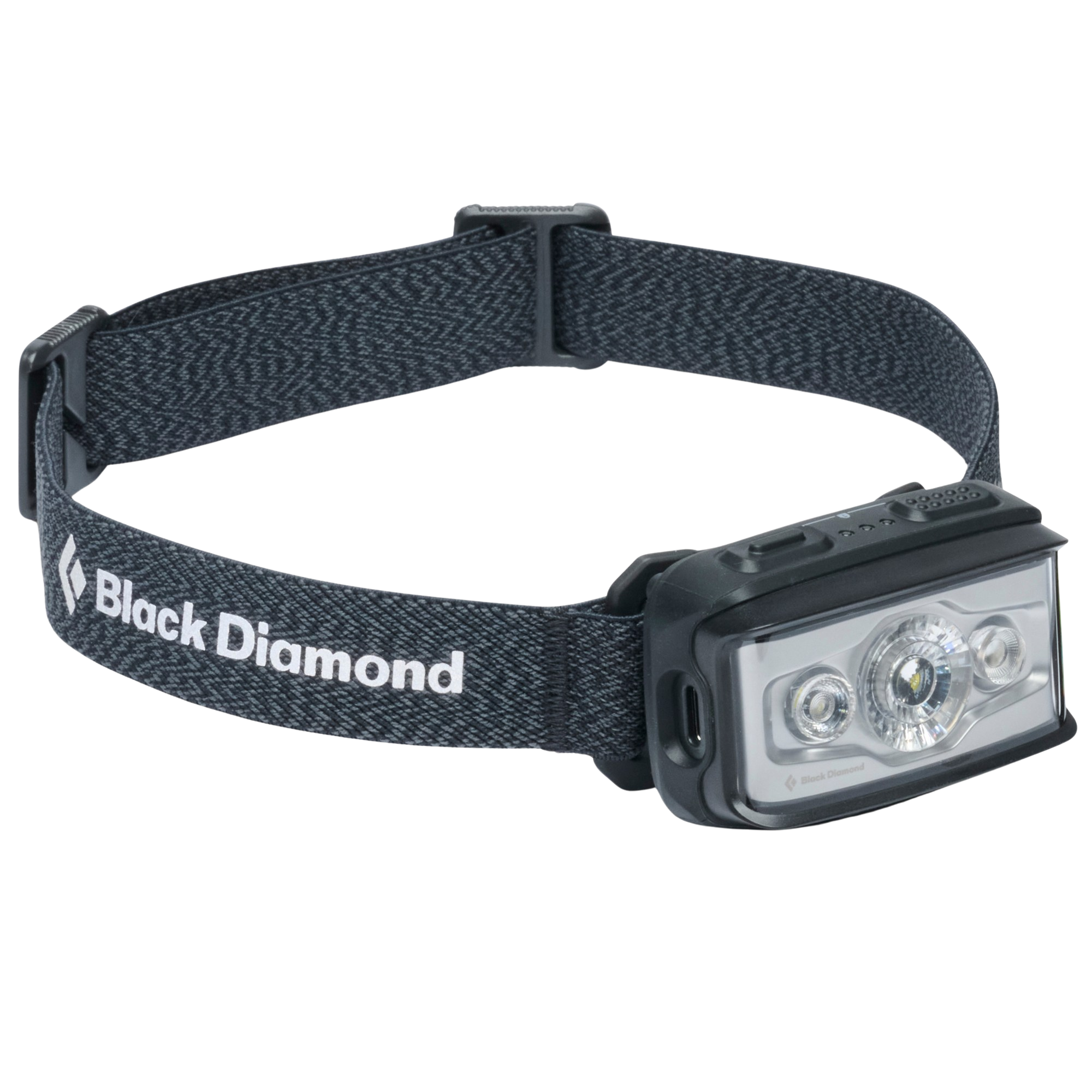
Black Diamond Storm 550
Lumens: 550 max
Battery: 2400mAh Li-ion
Rechargeable: Yes (USB-C)
Shop at REI →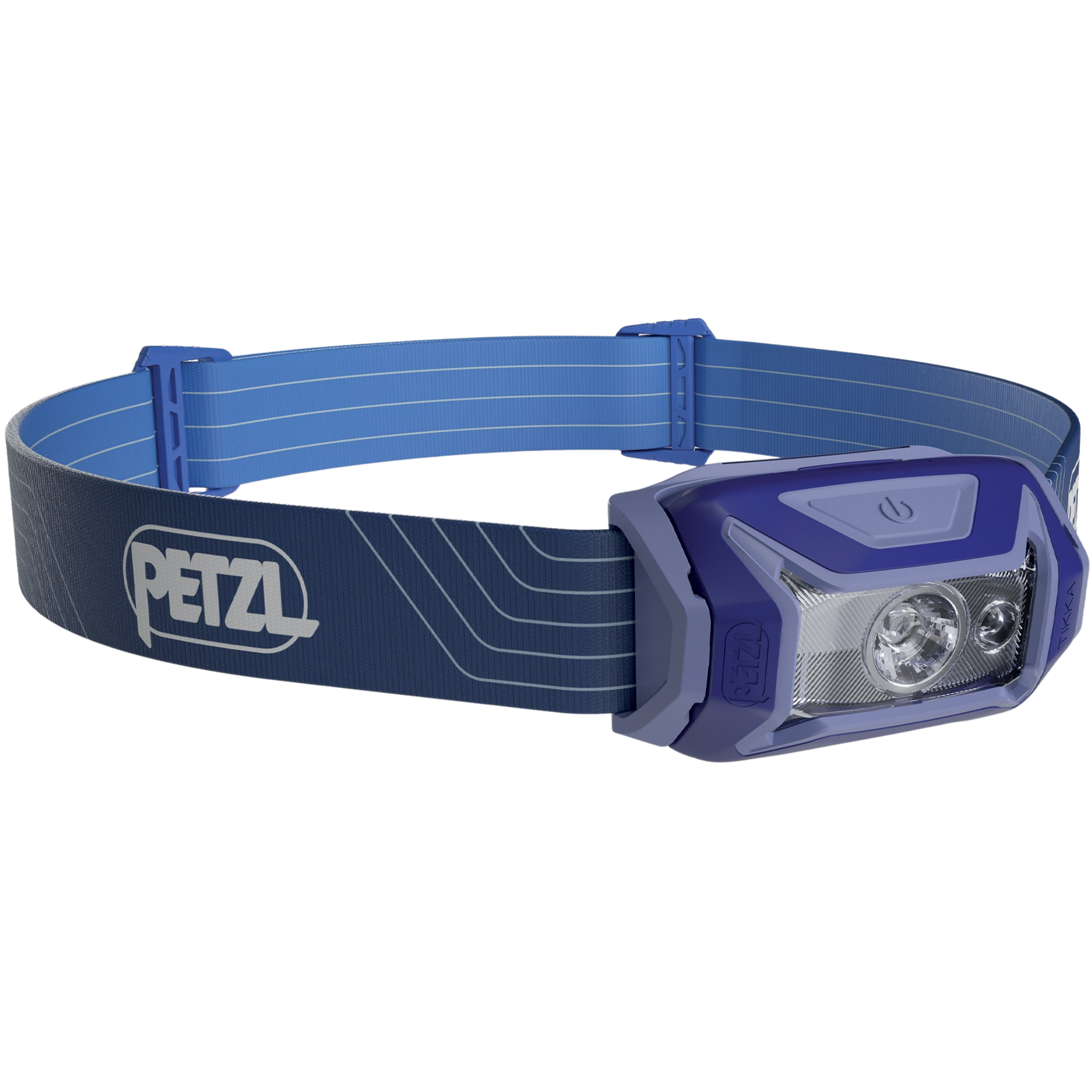
Petzl Tikka
Lumens: 350 (450 w/ optional CORE battery)
Battery: 3x AAA (included)
Rechargeable: With CORE battery, yes
Shop at REI →Water Treatment
Water filters are essential for overnight trips. It also helps minimize the weight of your pack if you know ahead of time that there will be water sources to fill up along the way. A lot of thru-hikers swear by the Sawyer filters but I’ve been a Katadyn (also Hydrapak) girly since day one.
Most brands now make their own bottles or bags, generally sold with the filter. I personally really like the Katadyn and Hydrapak ones because they fit easily to a larger water bladder they sell. It’s nice when you’re not camping extremely close to a water source.
Why is my water filter not working? Have you ever been at camp or on the trail and realized the flow of your water filter sucks? While backflushing it would help clean it, here’s a tip that will make sure your water filter is ready to go for your next trip. Set the filter into a bowl of water and make sure it’s fully submerged. It’ll help loosen the ‘brittles’ in the water filter and water will flow much better. I like to do this the night before — just don’t forget to pack it before you head out!
Filter vs. Pills: In Washington, most water in the backcountry is safe to drink after filtering with a water filter. It doesn’t contain viruses. If you’re going overseas though, then you might want to have the iodine pills. I’ve never used these before and heard they might have a funky taste but better safe than sorry!
Other options (including what I use):

HydraPak Seeker 3 L Collapsible Water Container + Filter Cap - 100 fl. oz.
Screws onto a standard bottle — turns any wide-mouth into a filtered one. No separate reservoir to carry, no extra bulk.
Shop at REI →
Sawyer Squeeze Water Filter System
The original squeeze filter and still one of the most trusted — inexpensive, proven, and easy to find replacement parts for.
Shop at REI →
Katadyn BeFree AC 1.0 L Water Filter Bottle
Flows noticeably faster than a Sawyer Squeeze, though the collapsible flask is a bit more delicate — handle with care.
Shop at REI →Safety & Navigation
There are three items I always pack with me for safety and navigation and no, it’s not bear spray. Even though some places requires you to carry bear spray.
I use my phone for offline navigation and occasionally carry a paper map and compass with me (I haven’t actually used a compass and a map in a while). For offline maps, I use GaiaGPS. I map out my route in advance and download it to make sure I can access it even in airplane mode or when cell service is not existent in the backcountry.
I highly recommend getting a premium subscription to any of the following: GaiaGPS, AllTrails, OnX Backcountry or CalTopo. Offline maps are a non-negotiable unless you are comfortable with using a paper map and compass.
Get 30% off AllTrails Pro or Peak for offline maps, trail previews, and more.
Claim 30% off →Satellite Messenger vs. Beacons: the latter is more suitable for when you’re on the water. The beacon will send out a signal in intervals while tracking your location. The former has messenger capabilities. I picked the Garmin InReach Mini so that I can communicate with my mom and friends. My mom lives in Hong Kong, so the only way I’m able to continue these solo adventures is to make sure she knows that I am safe and made it to camp. Both have the capability to send out a SOS signal.
Tip: make sure you turn on your location when sending messages, this is how Search & Rescue (SAR) or other folks will be able to locate you. Although I think it automatically sends out a signal when you send out the SOS. Garmin does require a subscription. With the small screen on the InReach Mini, I highly recommend downloading the app on your phone if you want to send custom messages.

Garmin InReach Mini 2
Requires a monthly subscription, but non-negotiable for solo trips and dead zones. Peace of mind, priced accordingly.
Shop at REI →
Adventure Medical Kits Ultralight/Watertight .7
Compact enough to never be an excuse to leave it behind.
Shop at REI →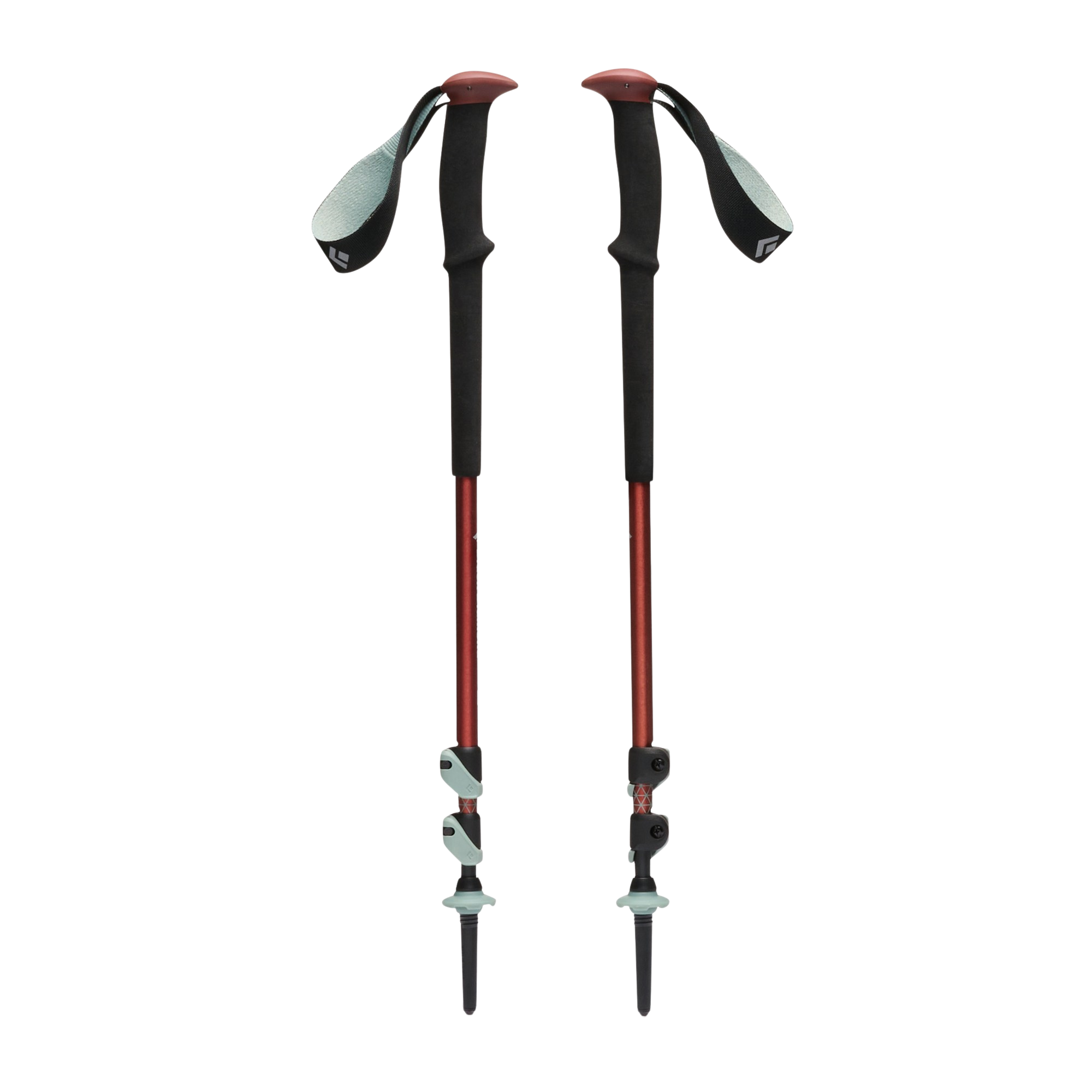
Black Diamond Trail Trekking Poles
Doubles as a knee-saver on the downhill and on snow with snow baskets.
Shop at REI →Things I Never Leave Behind
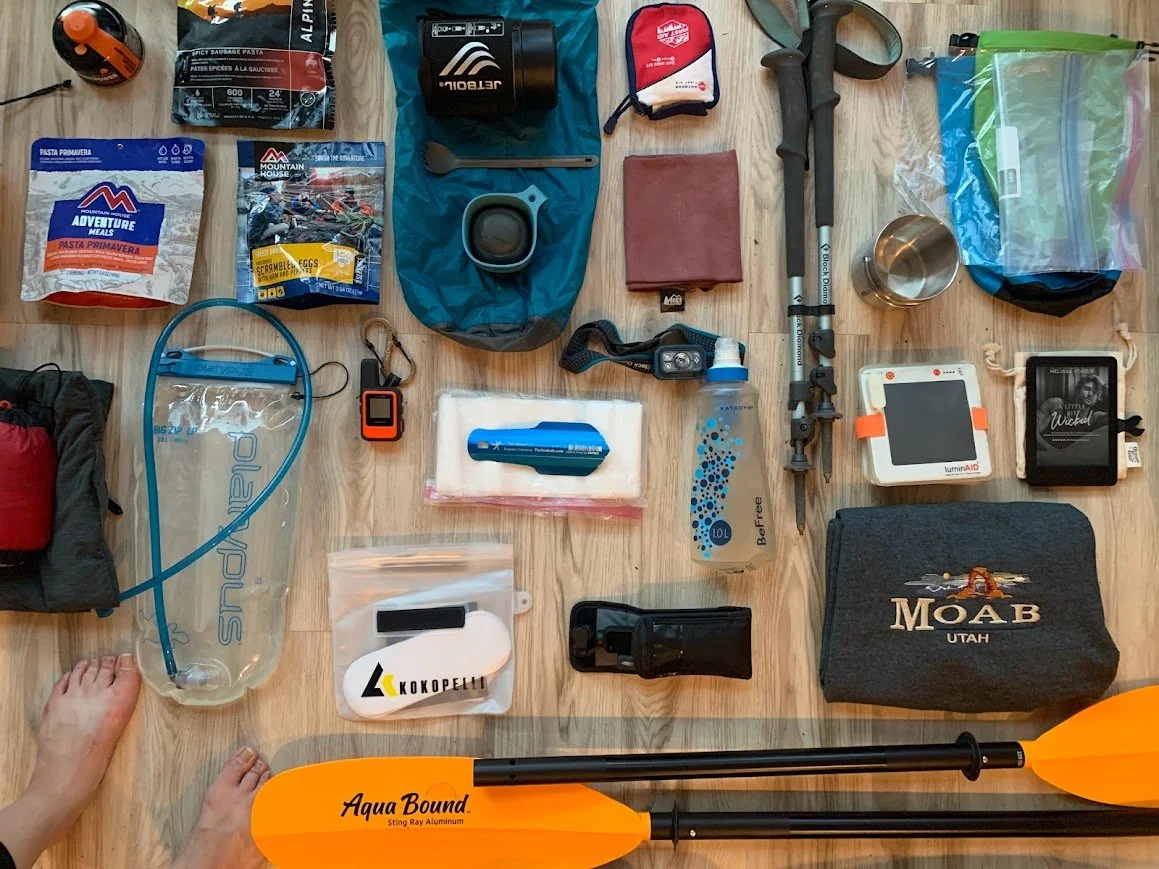
These are the items that can always be found in my backpacking pack. It includes some toiletries, comfort items, and the bear canister because I always feel too anxious that I won’t be able to find a tree to hang my food. Nonetheless, I always pack these items. I would say they’re based on personal preference.
Camp & Trail Essentials
This list might look a little different for you...
...and that's okay! It takes a few trips to dial in what you want to bring with you on every backpacking trip. The photo on the right shows items I used to bring to all my backpacking trips. I've since upgraded a few items - whether it's to save some weight or to try new products.

BearVault BV450 Jaunt
Check your destination's requirements before you go — some areas mandate a hard canister over an Ursack.
Shop at REI →
Kula Cloth
A reusable pee cloth that dramatically cuts down on toilet paper — still pack a backup stash for the other business.
Shop at REI →
Platypus Big Zip EVO Reservoir
Team bladder over team bottle — sip continuously without breaking stride or wrestling your pack off.
Shop at REI →
Therm-a-Rest Z Seat
Doubles as an actual seat and a bit of extra insulation under your sleeping pad on colder nights.
Shop at REI →
REI Co-op Flexlite Camp Chair
Only comes out when the packraft stays home — pure luxury weight otherwise, but worth it on a basecamp trip.
Shop at REI →
Repair & backup power
Small repair kit (Tenacious Tape or duct tape) for sleeping pads
Multi-tool or knife
Power bank/extra batteries
Personal Care
Toiletries
Hand sanitizer
Sunscreen
Insect repellent
Bug net
Clothing
While it is completely okay to wear your normal clothes on a hike, you will soon learn that investing a little bit more on a few pieces of essential clothing items would make your hike a little more enjoyable. You generally want to look for clothes that are moisture-wicking, durable, and can withstand the elements and keep you warm and dry when it’s cold, and cool when it’s hot.
Below are a few essentials I always end up wearing or packing when I’m heading out for an overnight trip. Some of them are dependent on weather as well.
Cotton vs. Nylon: while it is totally okay to wear cotton, be mindful that it absorbs moisture instead of moving it away from your skin. Once it’s wet (most commonly sweat or rain), it loses almost all of its insulating power and takes a very long time to dry. Nylon and other synthetics wick moisture away from your skin to the fabric’s surface, and it evaporates faster. You stay drier, and even a damp synthetic layer still holds some warmth. The trade-off: synthetics can get stinky, since bacteria love the fibers.
Merino Wool: this splits the difference — it wicks nearly as well as synthetics, keeps insulation even when damp, and resists odor naturally. It’s pricier and a bit less abrasion-resistant, but having a merino wool base layer and socks at camp are great. On the trail, nylon and other synthetics still work.
What I'm Doing:
Layers are your best friend.
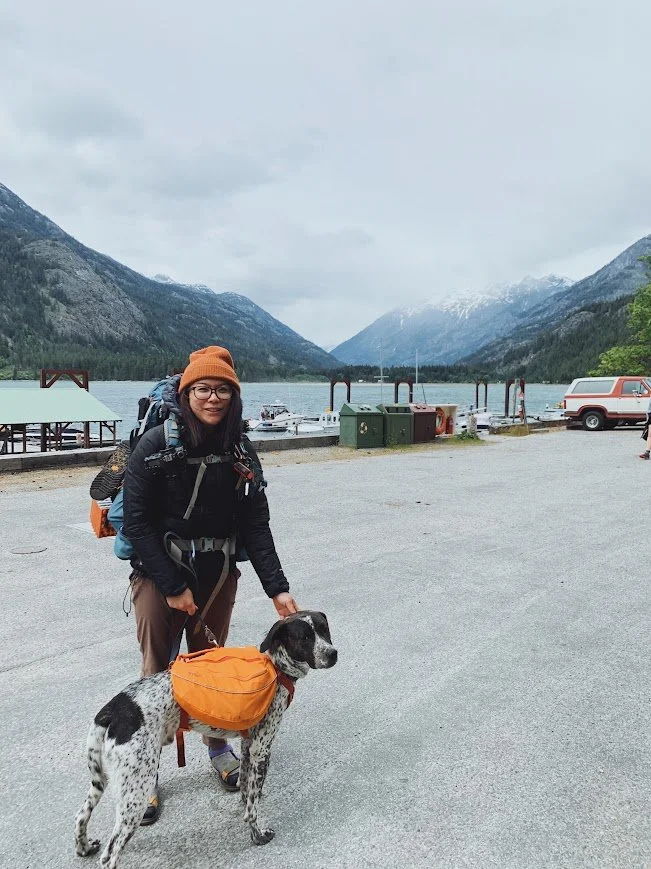
The weather can change quickly in the mountains, wearing appropriate layers mean that you have the option to get rid of one or two when you're hiking to camp but still have enough warmth and insulation to protect you from the elements. I always wear something moisture-wicking as my base layer, a soft mid layer, and if it does get windy or cold, I'll put on a shell too.
Tex and I out on the Chelan Lakeshore Trail.
Base Layers (Sun Protection)
Aside from sunscreen, certain pieces of clothing can help block out UVA and UVB rays. Some of the items mentioned below also features fabric that wicks moisture and dries more quickly.

Mountain Hardwear Peak Knit Shirt
This is now my favorite shirt to wear. I even wear it for my longer bike rides.
Shop at REI →
REI Sahara Shade Hoodie
The fit on these always feel a little funky but they're one of the most affordable sun hoodies you can get on the market.
Shop at REI →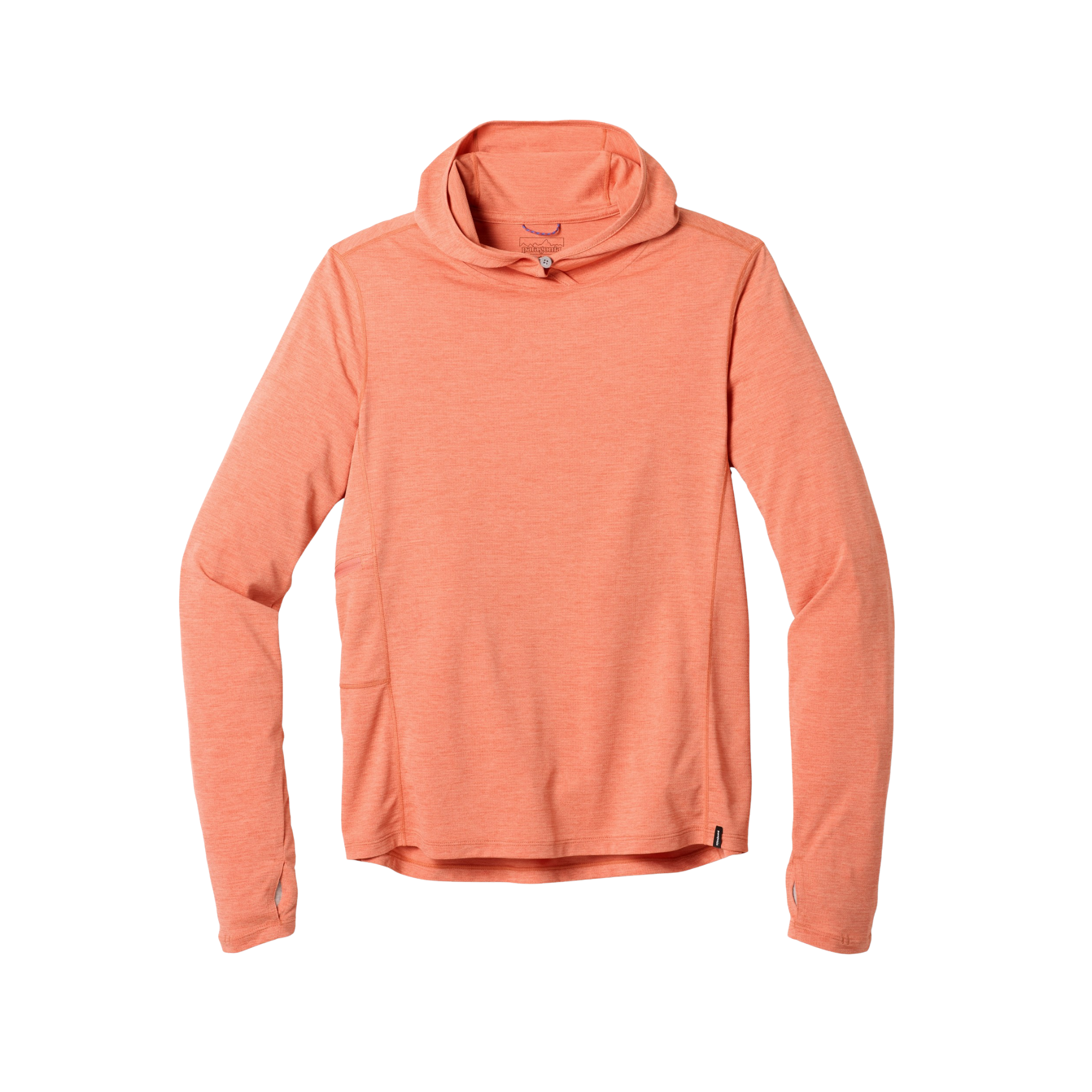
Patagonia Capilene Cool Sun Hoody
I don't own this because I own a lot of other sun shirts, but I have heard good things about this one.
Shop at REI →Base Layers (For Cooler Temps)
A lot of these might be a little too hot when hiking on the trail. However, these are nice to have for when you’re just getting into camp or when it gets chilly on the trail.

REI Merino 185 Base Layer Top
REI's midweight merino base layer. Good warmth-to-weight without the premium price tag.
Shop at REI →
Smartwool Classic Thermal Merino Crew
A reliable warm layer with merino's natural odor resistance built in.
Shop at REI →
Mountain Hardwear AirMesh Long-Sleeve Crew
A breathable synthetic option when you want quick-drying performance over merino's warmth.
Shop at REI →Mid Layers
I don’t think I truly own mid layers, or at least what the internet thinks mid layers should be. But I always have an extra jacket or layer packed in case it gets chilly at the summit or at camp. I literally take the Arc’teryx Atom Insulated Hoody everywhere I go. It is pricey but it’s pretty abrasive resistant and repels light rain as well.

Arc'teryx Atom Insulated Hoody
One of the most trusted insulated layers I own — warm enough to stop in, breathable enough to hike and climb in.
Shop at REI →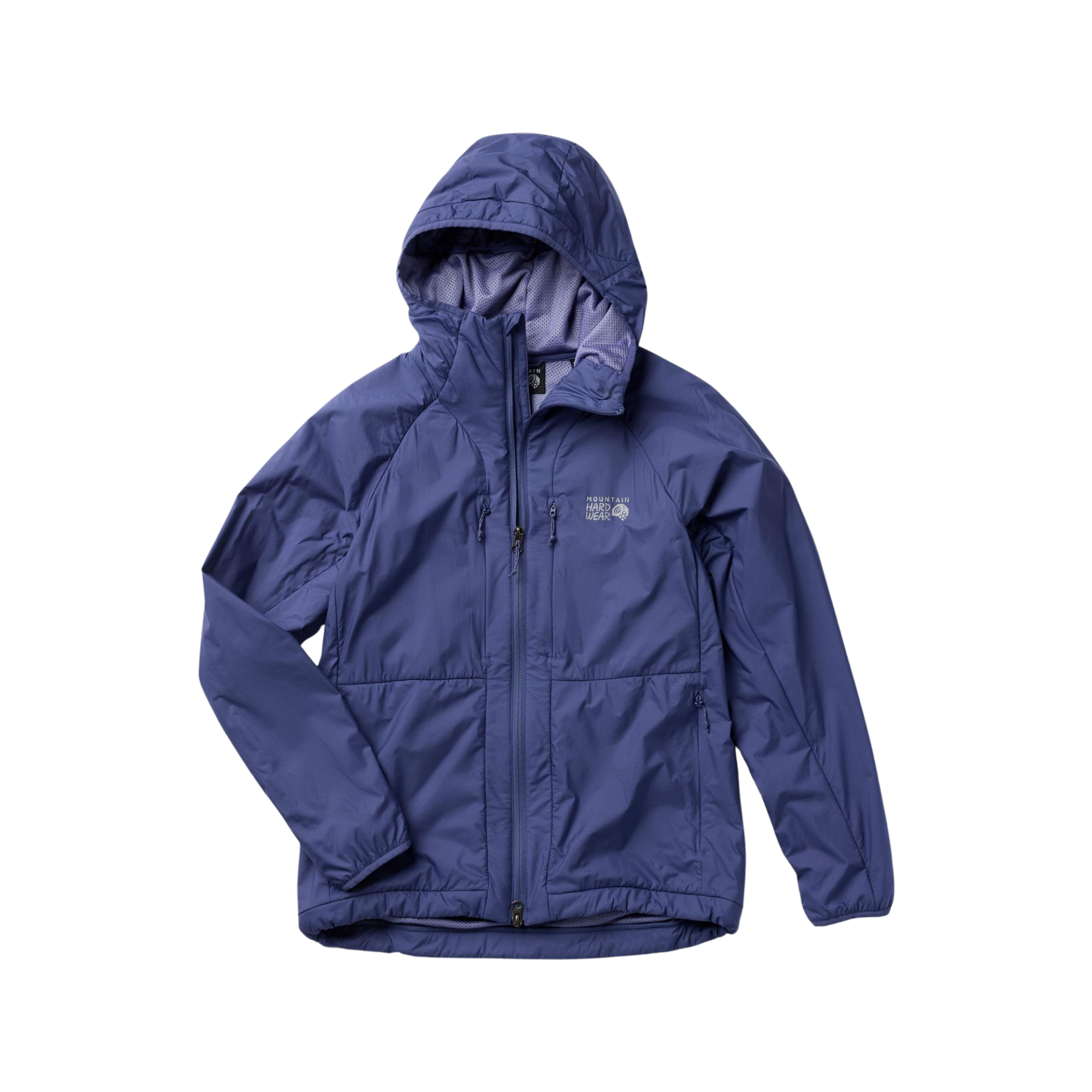
Mountain Hardwear Kor AirShell Warm Hoody
A stretchy, wind-resistant midlayer that moves well if you're scrambling or using trekking poles. I've worn something similar for climbing.
Shop at REI →
REI Co-op Trailmade Snap Fleece
A simple, affordable fleece — not flashy, but does the job for camp and cool mornings. Probably wouldn't wear this hiking.
Shop at REI →Outer Shells
It rains in the Pacific Northwest quite often, especially during shoulder season and the winter months. Between November to April, I always make sure to have a rain jacket packed. My go-to is the Arc’teryx Beta SL — again, it is pricey but really reliable when it comes rain and wind.

Arc'teryx Beta SL Jacket
My current pick for a rain shell. A little less durable than the Beta AR but still very abrasive resistant.
Shop at REI →
REI Co-op XeroCloud 3L Rain Jacket
A 3-layer shell object at a fraction of the price.
Shop at REI →
Outdoor Research Aspire 3L Jacket
Very breatheable — good if you run hot and hate feeling like you're hiking in a plastic bag.
Shop at REI →Jackets
It definitely gets chilly at camp especially when you’re camping up on a mountain. These are my go-to’s whenever I go backpacking. I know some people worry about down getting wet but I normally wear it underneath my outer shell if it’s pouring.

Arc'teryx Cerium Down Hoody
Premium down warmth in a genuinely packable size — the one I grab when I know temps are dropping fast, and the one I took up to the base of Baker.
Shop at REI →
Patagonia Nano Puff Insulated Jacket
Synthetic fill means it still insulates even if it gets wets. Reliable in damp conditions.
Shop at REI →
REI Co-op Magma 850 Down Hoodie
850 fill power at a noticeably lower price than the premium brands.
Shop at REI →Pants
You can’t really go hiking without pants (or shorts). I like to buy clothing items that I can use for multiple types of activities like hiking, climbing, and cycling so some of these options below might seem like unconventional choices for hiking.
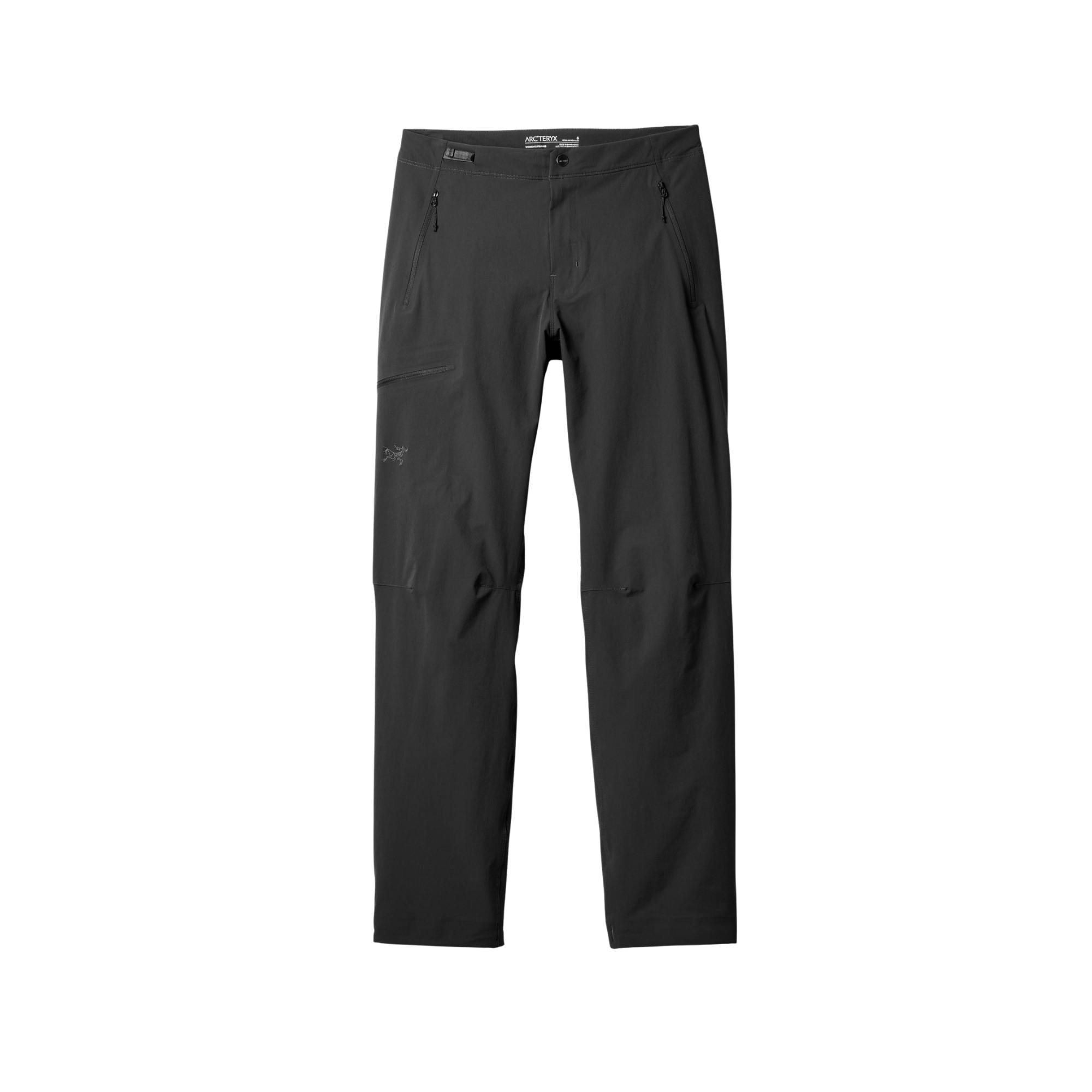
Arc'teryx Gamma Pants
Arc'teryx's go-to softshell — durable enough for bushwhacking, weather-resistant enough for most conditions.
Shop at REI →
Black Diamond Sequence Pants
Built with climbing in mind, so the range of motion is excellent for scrambling sections.
Shop at REI →
Title Nine Recycled Clamber 2.0
A women's-specific fit from a brand that designs for women first, not as an afterthought.
Shop at REI →Shorts
It’s been getting a lot warmer here in the summer in Washington, so of course we need some shorts! Especially important when there’s an alpine lake waiting for you at camp. I actually love all of these and frequently have these on rotation.

Mountain Hardwear Stryde Shorts
A built-in belt means one less thing to pack — my go-to for the shorts I actually wear on repeat.
Shop at REI →
REI Co-op Trailmade Shorts
REI's basic hiking short — nothing fancy, just reliable and easy on the wallet.
Shop at REI →
Arc'teryx Gamma Short 6"
Same durable Gamma fabric as the pants, just cropped — good if you already know you like how those fit.
Shop at Arc'teryx →Footwear
I wouldn’t use this list as recommendation. I prefer wearing sandals and unconventional shoes when it comes to hiking. When I need closed-toe shoes, I opt for my La Sportiva approach shoes. I’ve recently been using the Five Tens Trailcross LT to hike too. They’re great for rocks.

Bedrock Cairn Evo Sandals
I feel very comfortable hiking in sandals, but they're not for everyone. Perfect for hikes with river crossings and alpine lakes as well.
Shop at REI →
La Sportiva TX4 EVO Approach Shoes
Some hikes are more technical than others, I reach for these when I need closed toe shoes and a sticky rubber for scrambling.
Shop at REI →
Five Ten Trailcross LT
Originally built as a mountain bike shoe, but the rubber grips rock just as well off the bike. Perfect for hike a bike moments and light scrambling.
Shop at REI →Other Items (Seasonal)
I wouldn’t use this list as recommendation. I prefer wearing sandals and unconventional shoes when it comes to hiking. When I need closed-toe shoes, I opt for my La Sportiva approach shoes. I’ve recently been using the Five Tens Trailcross LT to hike too. They’re great for rocks.

REI Co-op Ribbed Beanie
A simple warm hat for camp mornings — nothing fancy, just does the job.
Shop at REI →
Buff Merino Lightweight Neckwear
One piece of fabric, a dozen uses — neck gaiter, sun protection, hat, whatever the moment calls for.
Shop at REI →
REI Co-op On The Trail Cap
I don't own this particular cap but I own multiple caps. Perfect for when I don't wanna do anything to my hair and still have some protection.
Shop at REI →